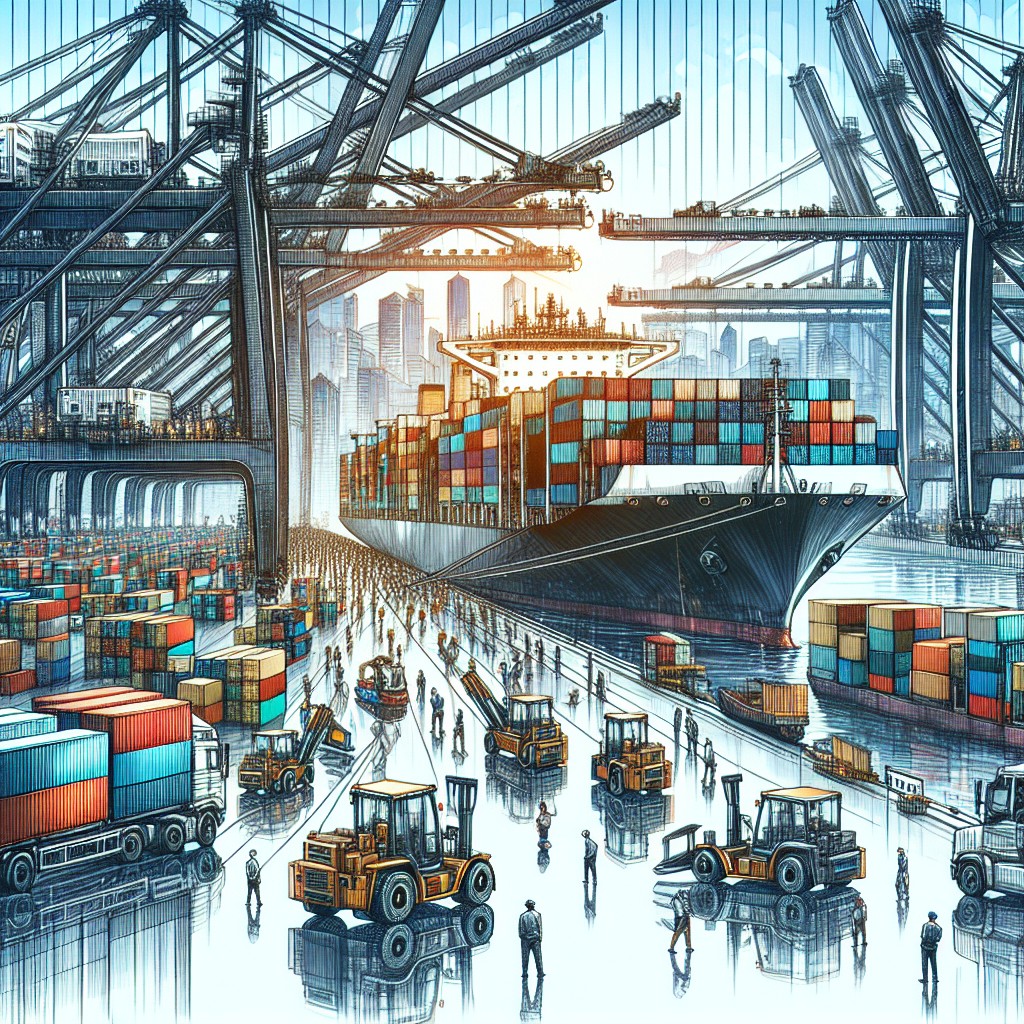
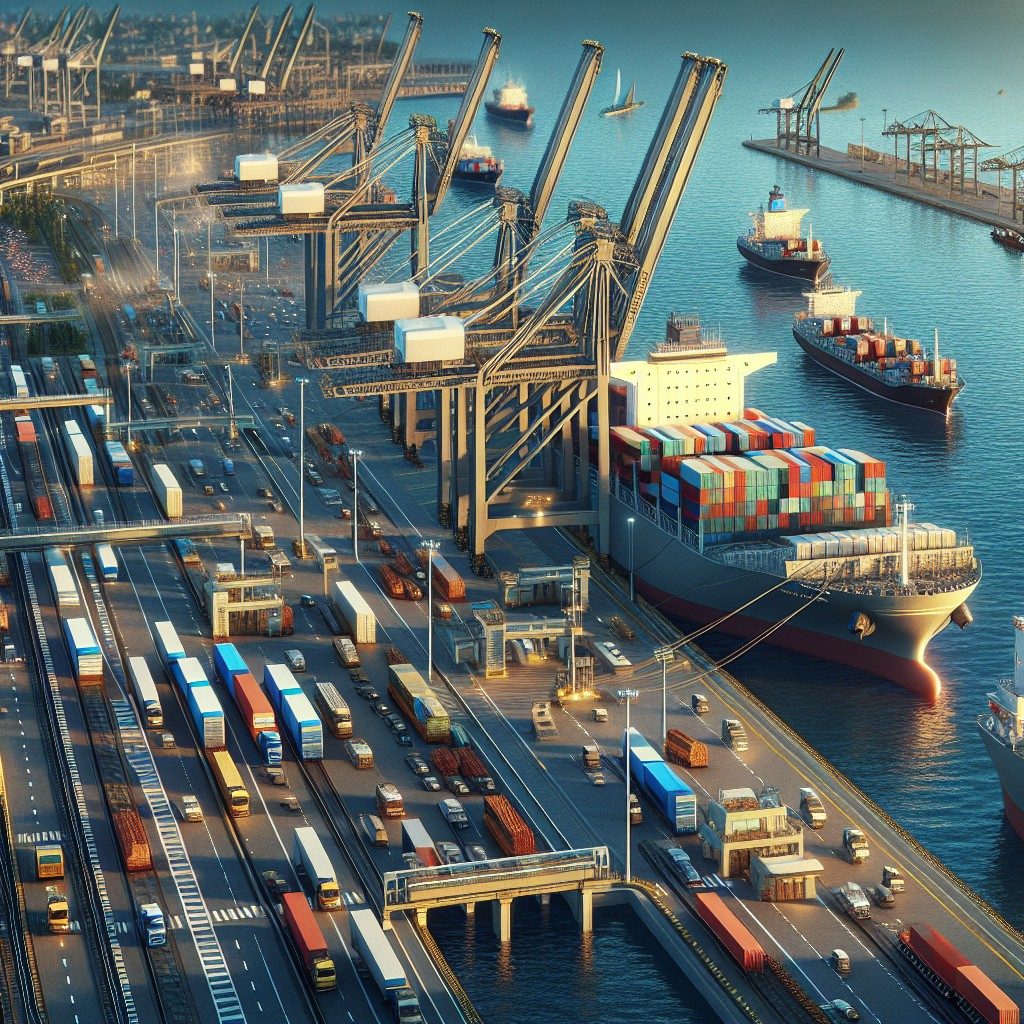
The global maritime industry is experiencing a rapid transformation as numerous port modernization projects take center stage. These initiatives are not only upgrading existing infrastructure but are also influencing international trade routes, altering the flow of goods worldwide.
The driving forces behind port modernization
Port modernization is propelled by several factors including increased global trade volumes, larger vessel sizes, and the need for more efficient cargo handling. As container ships grow bigger, many ports require expansions and technological upgrades to accommodate the larger loads, ensuring smooth operations and minimizing delays. Environmental regulations and the drive for sustainability also motivate ports to adopt greener technologies, such as electrification of equipment and shore power facilities.
Impacts on global trade routes
The improvements from port modernization projects have a direct impact on international trade patterns. Enhanced capacity and faster turnaround times in modernized ports make them more attractive for shipping companies, often shifting traditional routes. For instance, ports in Asia and the Middle East, with recent modernization overhauls, are becoming preferred hubs, challenging the dominance of long-established European and North American ports. This shift affects global supply chains, logistics costs, and even geopolitical relationships tied to maritime commerce.
Technological advances in port modernization
Modern ports incorporate advanced technologies like automation, AI-driven logistics, and real-time tracking systems. Automated cranes and robotics reduce human error and increase handling speed. AI optimizes vessel scheduling and cargo distribution, improving efficiency significantly. Through port modernization, many terminals are transforming into smart ports capable of quickly adapting to changing market demands and disruptions.
Key global port modernization projects
Significant port modernization projects are underway worldwide. The expansion of the Port of Rotterdam includes digitalization and infrastructure upgrades to maintain its status as Europe’s largest port. Similarly, the Port of Singapore is investing heavily in automation and green technologies. In the United States, the Port of Los Angeles is advancing its modernization plan with new equipment and sustainability initiatives. These projects highlight the competitive race among ports to offer superior services and attract larger volumes of international trade.
Challenges faced during port modernization
Despite the benefits, port modernization faces several challenges. High investment costs and the complexity of integrating new technologies can delay projects. Additionally, workforce adaptation is critical as automation changes labor requirements, raising concerns about employment. Environmental and regulatory hurdles also complicate expansion efforts. However, global institutions are increasingly supporting modernization to help ports meet future trade demands efficiently and sustainably. The importance of port modernization is recognized as fundamental to maintaining resilient and competitive supply chains.
Conclusion
Port modernization projects are pivotal in reshaping global trade routes by enhancing port capabilities and efficiency. As infrastructure and technology evolve, the maritime industry is witnessing a redistribution of trade flows toward modernized hubs. It is expected that continued investments in port infrastructure will further accelerate these shifts, making adaptability and technological innovation crucial for ports aiming to remain relevant in an increasingly dynamic global market.
Frequently Asked Questions about port modernization
What is port modernization and why is it important?
Port modernization refers to upgrading port infrastructure and technologies to improve capacity, efficiency, and environmental sustainability. It is important because it enables ports to handle larger volumes, faster vessel turnaround, and adapt to evolving shipping demands.
How does port modernization affect global trade routes?
By increasing efficiency and capacity at select locations, port modernization can shift trade routes as shipping companies prefer faster, more reliable ports. This affects supply chain logistics and regional economic activity.
What technologies are commonly involved in port modernization?
Common technologies include automation of cargo handling, AI for logistics optimization, real-time tracking systems, and environmentally friendly equipment aimed at reducing emissions.
What challenges do ports face during modernization projects?
Challenges include high upfront investment, technological integration complexities, workforce changes due to automation, and regulatory hurdles related to environmental impact and construction.
Which regions are leading in port modernization efforts?
Asia, Europe, and parts of the Middle East are prominent leaders in port modernization, with major projects in Singapore, Rotterdam, and Dubai. The United States and other regions are also investing significantly in modernization initiatives.