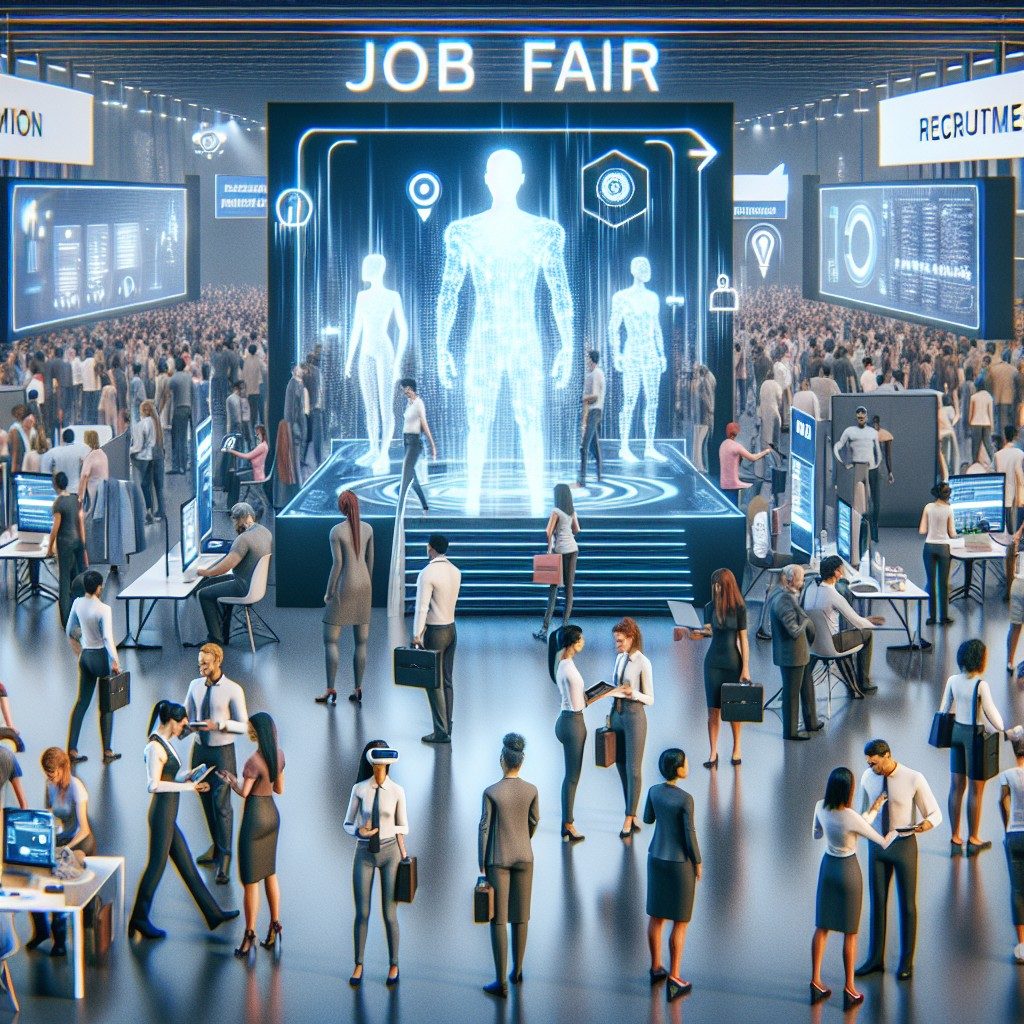
As the global job market continues to evolve, 2026 is shaping up to be a pivotal year for talent acquisition. Employers are adjusting their strategies in response to economic shifts, technological advancements, and changing workforce dynamics. Recognizing the hiring signals that indicate these changes is crucial for both companies and job seekers aiming to navigate the recruitment landscape effectively.
Economic Factors Influencing Hiring Signals in 2026
The economic outlook plays a significant role in determining hiring activity. In 2026, many industries face mixed signals; some sectors show robust growth while others remain cautious. Inflation trends, interest rate adjustments, and geopolitical uncertainties contribute to a nuanced employment market. Employers are closely monitoring these variables, which directly influence budgets and headcount planning, thereby shaping their hiring signals. Understanding these economic elements helps interpret recruitment patterns with greater accuracy.
Impact of Technological Advancements on Recruitment Expectations
Technological progress, especially in artificial intelligence and automation, is reshaping how companies approach hiring. Many organizations demonstrate hiring signals that reflect a demand for technology-savvy professionals. Additionally, automated recruitment tools and data analytics are becoming standard in candidate screening. This shift resets expectations, as employers prioritize skills and adaptability related to emerging technologies, impacting job descriptions and evaluation criteria in 2026.
Workforce Demographics and Candidate Preferences
Demographic changes and evolving candidate expectations markedly influence hiring signals. Younger generations entering the workforce emphasize flexibility, diversity, and work-life balance, pushing employers to adapt their recruitment messaging. Employers are modifying their expectations, evident in job postings reflecting remote work options or enhanced benefits. These adjustments send clear hiring signals about the importance of culture, inclusion, and employee well-being in attracting top talent.
Sector-Specific Variations in Hiring Activity
Not all industries experience hiring trends uniformly. The healthcare and technology sectors, for instance, continue to exhibit strong hiring signals in 2026, driven by ongoing demand and innovation. Meanwhile, sectors like retail and manufacturing show more conservative recruitment patterns due to automation and supply chain challenges. Employers in these fields reset expectations by focusing on skill specialization and internal training programs to offset slower external hiring momentum.
How Employers Are Resetting Expectations in Their Hiring Processes
In response to complex market conditions, employers are refining their expectations regarding candidate experience, skill sets, and onboarding timelines. Many incorporate competency-based assessments and place greater emphasis on cultural fit and potential over traditional credentials. These changes alert job seekers to evolving hiring signals, indicating a more holistic approach to recruitment in 2026. Clear communication about these shifts is becoming standard in engagement between candidates and hiring teams.
In conclusion, the hiring signals for 2026 reflect an employment environment adapting to economic pressures, technological change, and shifting workforce values. Employers continue to reset their expectations, focusing on agility and strategic recruitment tactics. Observing these signals carefully will allow companies and candidates alike to make informed decisions and successfully navigate the job market in the coming year.
Frequently Asked Questions about hiring signals
What are the key hiring signals employers show in 2026?
In 2026, key hiring signals include increased demand for technological skills, emphasis on diversity and work-life balance, and cautious recruitment linked to economic factors, all reflecting how employers reset expectations.
How do economic trends affect hiring signals?
Economic trends influence hiring signals by dictating company budgets and workforce needs; when the economy is uncertain, employers often exhibit cautious hiring, affecting overall recruitment volume and candidate requirements.
Why are technological skills important in current hiring signals?
Technological skills are central to current hiring signals because automation and AI integration require candidates who can operate advanced systems, prompting employers to prioritize these abilities in 2026.
In what ways do candidate preferences alter hiring signals?
Candidate preferences for flexible work arrangements and inclusive cultures push employers to change job descriptions and benefits offerings, generating hiring signals that stress these priorities.
How can job seekers interpret hiring signals to improve their applications?
Job seekers can interpret hiring signals by analyzing job postings for skill emphasis, company communication regarding workplace culture, and recruitment pace, enabling them to tailor applications to meet employer expectations.